
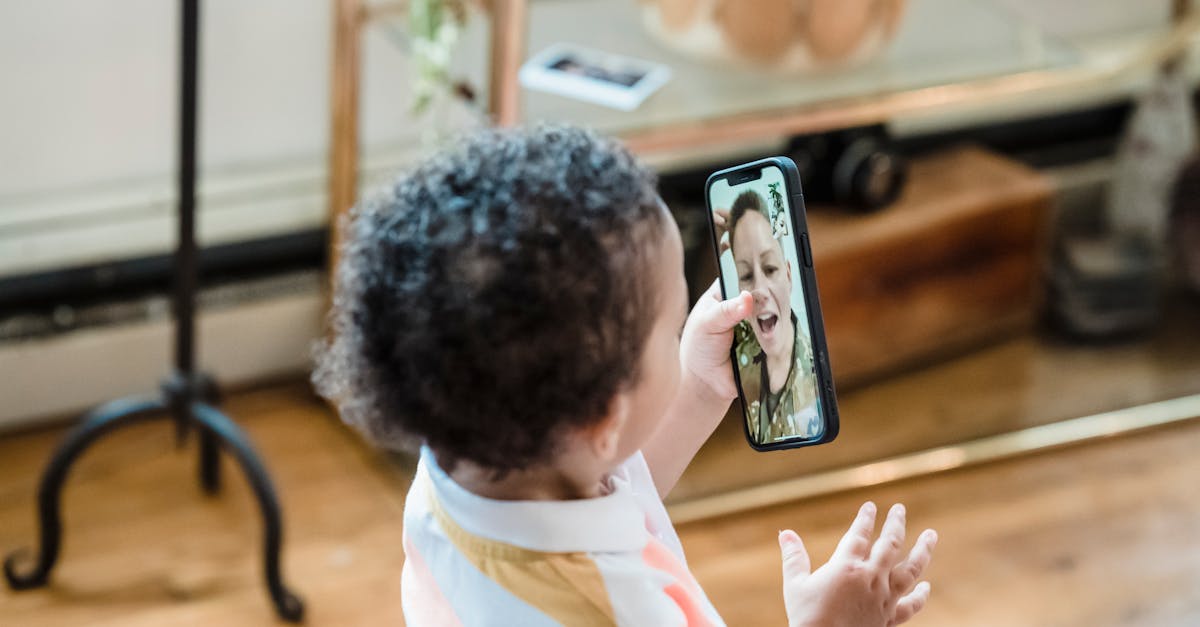
Have you ever watched a video that truly inspired you? Imagine a young child sitting in front of the screen, eyes wide open, soaking in lessons about perseverance and resilience. That’s the magic of a growth mindset video for kids. Here, we explore how these videos not only entertain but also empower young minds. Now, let’s jump into why fostering a growth mindset is essential for our children’s development, and how we can do it together.
Table of Contents
ToggleWhat Is a Growth Mindset?
A growth mindset is the belief that our abilities and intelligence can be developed through dedication and hard work. This concept, popularized by psychologist Carol Dweck, contrasts sharply with a fixed mindset, which posits that our traits are static and unchangeable. We ought to encourage children to embrace challenges, view failures as opportunities to learn, and understand that effort leads to improvement. Essentially, embracing a growth mindset means we can all learn, grow, and adapt, showcasing our potential to thrive in various situations.
Think of it this way: if we tell a child that they cannot do something, they might believe us. But, when we emphasize effort and improvement, suddenly, the sky’s the limit. This is crucial as they navigate their education and beyond.
Why Is a Growth Mindset Important for Kids?
Understanding the importance of a growth mindset is vital as it sets the foundation for resilience and adaptability throughout life. Kids with a growth mindset are more likely to take on new challenges, bounce back from setbacks, and approach problems creatively. Instead of shying away from difficult tasks, they face them head-on, believing in their ability to improve with practice.
This mindset equips children with the tools to handle frustrations and obstacles. It fosters perseverance and self-discipline, qualities that will serve them well as they progress through school and into the workforce. Encouraging this perspective can help our children develop a lifelong love of learning, making them more open to diverse experiences.
Key Concepts to Include in Growth Mindset Videos
To create compelling growth mindset videos for our kids, we must focus on several key concepts:
Tips for Creating Engaging Growth Mindset Videos
- Relatable Characters: Kids connect with relatable stories. By introducing characters who face challenges and learn from their mistakes, we can make the concept of a growth mindset accessible.
- Real-Life Examples: Featuring real stories of famous personalities or everyday heroes reinforces the idea that perseverance and effort lead to success.
- Interactive Elements: Engaging videos often include questions or prompts for kids to ponder, making them part of the conversation.
- Positive Affirmations: Highlighting mantras or affirmations can give children tools to remind themselves of their potential each day.
- Visual Aids: Using animations, colors, and vibrant imagery can captivate young audiences and help illustrate complex ideas simply.
Examples of Effective Growth Mindset Videos for Kids
Let’s take a look at some fantastic examples of growth mindset videos that have captured the hearts of many:
- “The Power of Yet” – This short and sweet video introduces the idea of adding “yet” to our vocabulary, empowering kids to understand that mastery takes time.
- “Growth Mindset in Action” – A series showing children tackling various challenges, reinforcing the idea that effort pays off.
- “The Brain’s Amazing Ability to Grow” – This educational video explains how our brains can grow and adapt, inspiring kids to embrace learning.
These examples not only entertain but also inspire kids to adopt a growth mindset in their everyday activities.
How Parents and Educators Can Support Growth Mindset Development
As parents and educators, we play a pivotal role in nurturing a growth mindset among children. Here are some strategies we can use:
- Model Growth Mindset Language: Use phrases that emphasize effort and improvement. Instead of saying, “You’re so smart.”, try saying, “Wow, you really worked hard on that.” This helps shift the focus from innate ability to effort.
- Celebrate Effort, Not Just Results: Acknowledge the effort children put into tasks. Whether they succeed or fail, celebrating their hard work encourages them to keep trying.
- Encourage Risk-Taking: Create a safe environment where children feel free to take risks without the fear of judgment. This way, they learn that it’s okay to make mistakes and learn from them.
By fostering these habits, we create an environment where a growth mindset can flourish.